Do Gooders, Bootleggers and Property Values
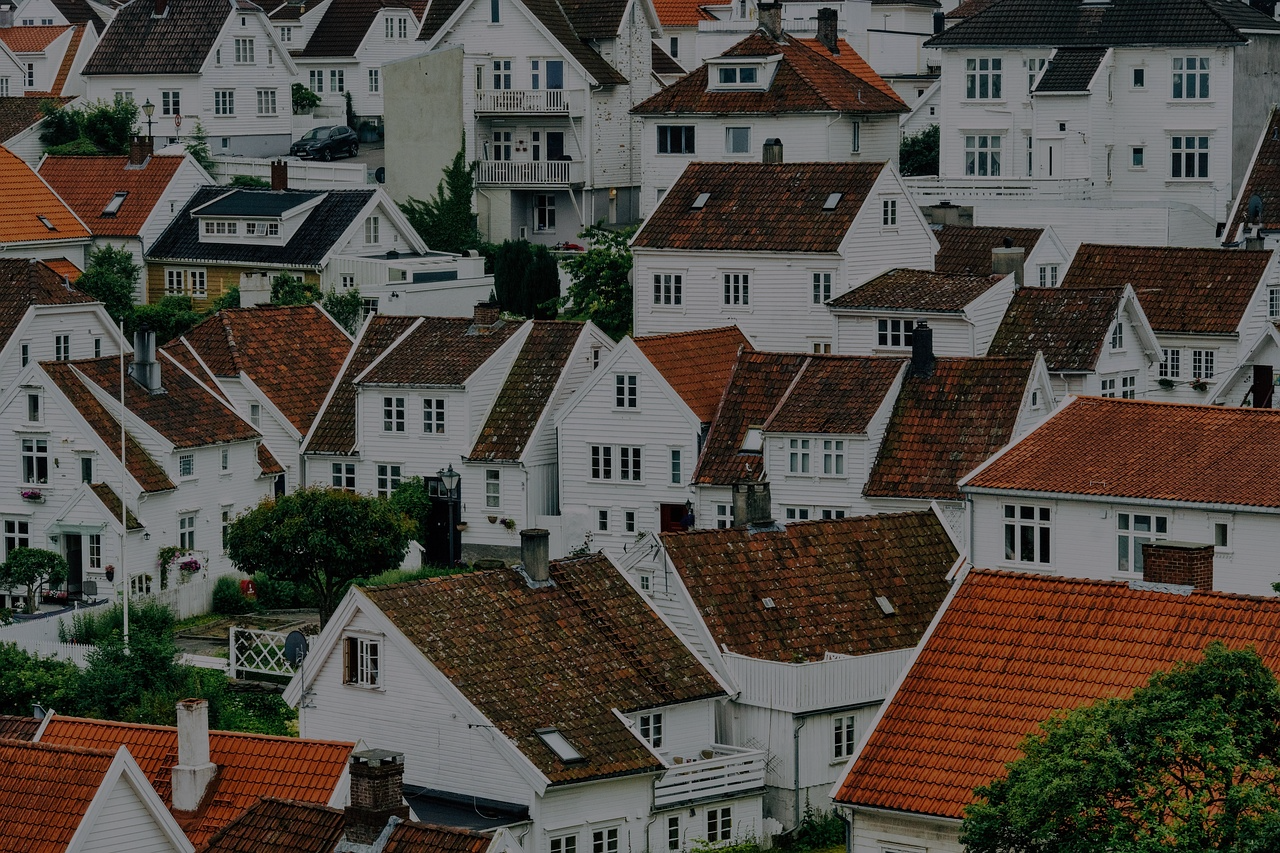
Australian home affordability is in crisis. Recent data from KPMG indicates that most new homes being built today cost over one million dollars. In the last few years, the number of homes worth two million dollars or more has doubled, and the number of homes worth between five-and-six-hundred-thousand dollars has dropped to about one percent of the market. Inflation only accounts for a fraction of this rise in prices.
This situation poses a complicated one for the Liberal Reform Association, since it aims to preserve the legacy of Sir Robert Menzies, the first leader of the Liberal Party. Menzies was a champion of homeownership, which sharply distinguished him and the Liberals from a Labor Party that opposed such aspirations on the ground that it would make Australians into “little capitalists” (presumably they were still enamoured by Stalin’s Liquidation of the Kulaks). Menzies’ vision proved popular among the electorate, yet these days that vision is becoming out-of-reach for many younger Australians. This particular aspect - intergenerational equity - is important to confront, however it does pose political challenges
Let us begin by looking at the benefits of homeownership. The most critical economic benefit to homeownership is that, because homes can serve as collateral, widespread ownership of homes is critical to the development and flourishing of small businesses (Labor’s “little capitalists” remark was, technically speaking, correct). Thus, homeownership creates a pathway to social mobility - one that doesn’t necessarily depend on having university credentials. For a disastrous example of what happens when homeownership is discouraged and the consequent social mobility is no longer available, one can simply take a look at African-Americans in the US (whom, as part of the Great Society, had their neighbourhoods and even their own burgeoning financial district bulldozed, and were herded into public housing which they rented from the government). The disproportionate poverty rate of this community remains stubbornly high to this very day despite substantial improvements in civil rights and even the implementation of “positive discrimination” practices such as affirmative action (practiced by many firms and institutions in the US until relatively recently).
Whilst the benefits of widespread homeownership are significant and widely acknowledged, there are also some political costs to it. Widespread homeownership means that, for a large swathe of people, their personal wealth increases as housing prices do, which means they benefit from the same trend pricing young Australians out of the market. Homeowners thus have an incentive to both restrict the supply of new housing and to open the Australian market to as many buyers as possible, so as to keep their own home values high.
In the language of Public Choice Theory, homeowners become a “bootlegger” class that form coalitions with two “Do Gooder” classes. In order to restrict supply, homeowners team up with environmentalists to enact “slow growth” policies and restrictive “green tape.” This coalition is known by the acronym “NIMBY” - Not In My Back Yard. In order to keep demand high, homeowners team up with advocates of unregulated immigration, some of whom are “Do gooders” that are motivated by compassion (albeit untempered by reason), but most of whom are actually another kind of “bootlegger” that wants to gerrymander elections by importing more people who’ll vote Labor. As such, the interests of homeowners enable two very illiberal causes - people who want to destroy liberalism in the name of Gaia, and people who want to destroy liberalism’s electoral viability by importing fundamentalist illiberals.
In brief, parents might lament that their children aren’t buying houses at the same age they did, but in many cases they have only themselves to blame. They were fine with NIMBYism, and demographic gerrymandering via immigration, because it “protected their lifestyle” (a.k.a. property values). Yet, should they still care about the lifestyle of their children, they should take note from Europe, where environmental policies have made electricity supplies both expensive and intermittent, a refusal to vet migrants and asylum seekers has resulted in additional burdens upon the welfare state alongside a surge of Jihadist terrorism and ethnoreligiously-motivated sex crime, and both of these things have also made it harder for young Europeans to acquire real estate.
This trajectory of Europeanization must be halted (and ideally reversed) if the Menzies-era dream of widespread property ownership is to be retained. The first thing which must happen is, unfortunately, politically difficult (particularly in a society with an aging population) but it cannot be avoided: elder generations must come to terms with the reality that they’re the beneficiaries of policies which impose costs on younger generations, and if they truly desire their own children to be able to afford comparable housing in comparable locations to theirs, they’ll need to accept policy reform which will reduce their own property values. Their willingness to accept such reform will test whether or not Boomer invocations of “for the children!” are actually sincere.
With the Boomers on board, there will be political momentum behind the two necessary reforms - dismantling constraints on supply, and stabilizing demand. Dismantling supply constraints will require confronting red and green tape, as well as those bureaucrats and activists who propagate it. Stabilizing demand, however, is going to require a serious look at immigration policy.
There are many potential benefits to immigration, and historically the vast majority of immigration into Australia has been successful. At the same time, recent decades have proven that, since cultural diversity is non-trivial, immigrants aren’t fungible. Immigrants vary in prosociality, contribution to (or drain upon) public revenue, and whether or not they’ll import ethnoreligious grudges from their previous homelands. Yes, it’s true that there are many people in other countries who live unfortunate lives and would enjoy a greater quality of life if they were living in Australia, but the Australian government is not (and cannot be) a humanitarian charity. The Australian government owes, to its current citizens, an immigration policy that serves the interests of said citizens (as distinct from the electoral interests of the Labor Party). More selectivity, and more willingness to repatriate those ineligible for visas or those whose visas have expired, would also likely contribute (if perhaps modestly or only in specific areas) to reducing housing prices and thus enabling homeownership (and the consequent social mobility) for younger generations.
But the primary issue is supply constraints, not inflated demand (indeed, it is plausible that the reason foreign and institutional investors are so interested in acquiring Australian houses is because supply constraints are expected to continue to exert upwards pressure on housing prices. The supply constraints themselves have artificially stimulated demand). If the Liberal Party aims to preserve the Menzies legacy of widespread homeownership, loosening these constraints should be the first priority. Should the Liberal Party fail to do this, that only demonstrates the necessity of the Liberal Reform Association.